Growth changes your physics.
What got you to 50 is exactly what starts slowing you at 500. The organisation hasn’t simply become bigger — it has moved into a different state.
The instincts, shortcuts, and decisions that once created momentum begin to slow growth.
Not because they were wrong.
Because the organisation has moved into a different state.
The company isn’t broken. It has changed state.
The same move that once saved the day — the founder stepping in — quietly trains dependency into the organisation.
The hero becomes the bottleneck.Organisational States
A living map of organisational movement.
The states remain fixed. The organisation moves forward and backward.
As you move across states, the work changes shape — into three kinds of intervention.
The organisation grew. The system did not.
More people, more handoffs, more inconsistency. Leadership becomes the glue, because the system can't carry the load by itself.
The business changed. The infrastructure stayed behind.
What worked earlier now creates friction. Silos harden, ownership blurs, and decisions slow because the system is solving yesterday’s problem.
The strategy shifted. The human system did not.
New strategy needs new behaviours. But people protect status, certainty, and competence. Without emotional design, transformation becomes compliance, not commitment.
Knowing your state tells you what's coming. Finding where it's leaking tells you what to do now.
Find the execution gaps you cannot see from inside the system.
Most execution problems are visible only as symptoms. We map the system underneath — where behaviour gets shaped, and where you are operating beyond the state you were built for.
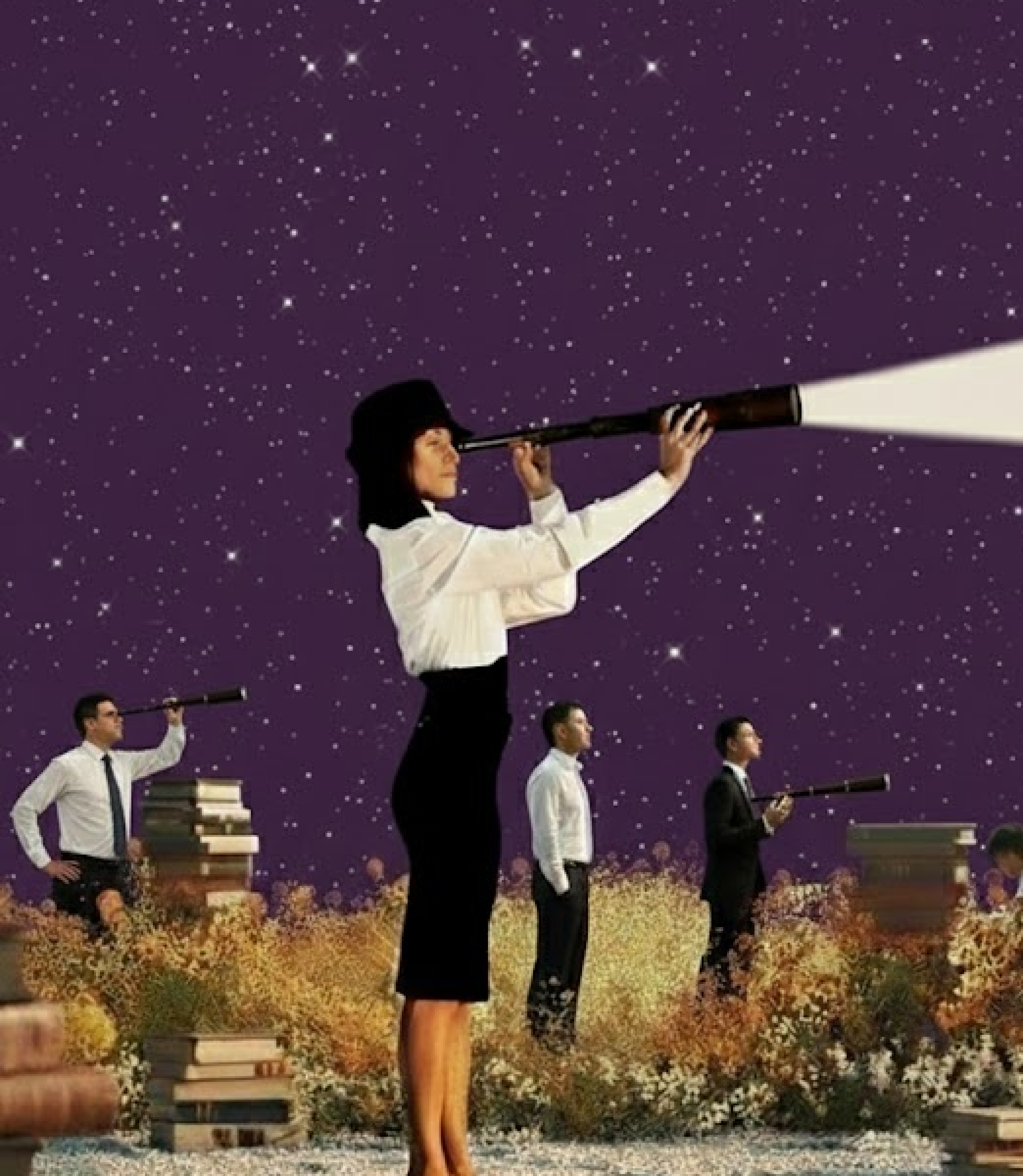 Depth you cannot see from where you are standing
Decisions waiting for invisible context
People have the responsibility, but not the reasoning needed to make the right call without escalation.
Handoffs that transfer tasks, not ownership
Work moves between teams, but accountability gets diluted at every boundary.
Incentives rewarding the opposite behaviour
The system says collaboration. The numbers reward individual wins.
Meeting rhythms hiding unclear context
More alignment meetings, but fewer clear owners, trade-offs, and next moves.
Quality drifting with whoever's involved
Execution depends on who's in the room, because the standard was never built into how work happens.
Emotional friction nobody designs for
Status, trust, fear, and safety shape execution long before process does.
We don't just name the leaks. We rebuild the system that's causing them.
We design execution systems around the behaviours the work actually depends on.
Not a slide deck. Not a workshop. We redesign the conditions beneath execution — how decisions move, how teams coordinate, how accountability holds, how leaders transfer context, and how people adapt without slipping into defensiveness or dependency.
Map the current state and execution leaks
We trace how your organisation arrived here, what state it's operating in, and where its current system is producing friction, dependency, rework, or quality drift.
Redesign the system shaping behaviour
We rebuild decision rights, handoffs, cadences, accountability loops, recognition pathways, and communication structures — with intentional behavioural design.
Embed indicators for the next inflection
Growth keeps changing the conditions. We build the feedback loops and leadership capability to detect when the organisation has outgrown its current system.
As the companies moves through states, the execution system has to evolve with it.
Companies don’t fail because they chose the wrong system. They fail when the system stops evolving with the state they are in.